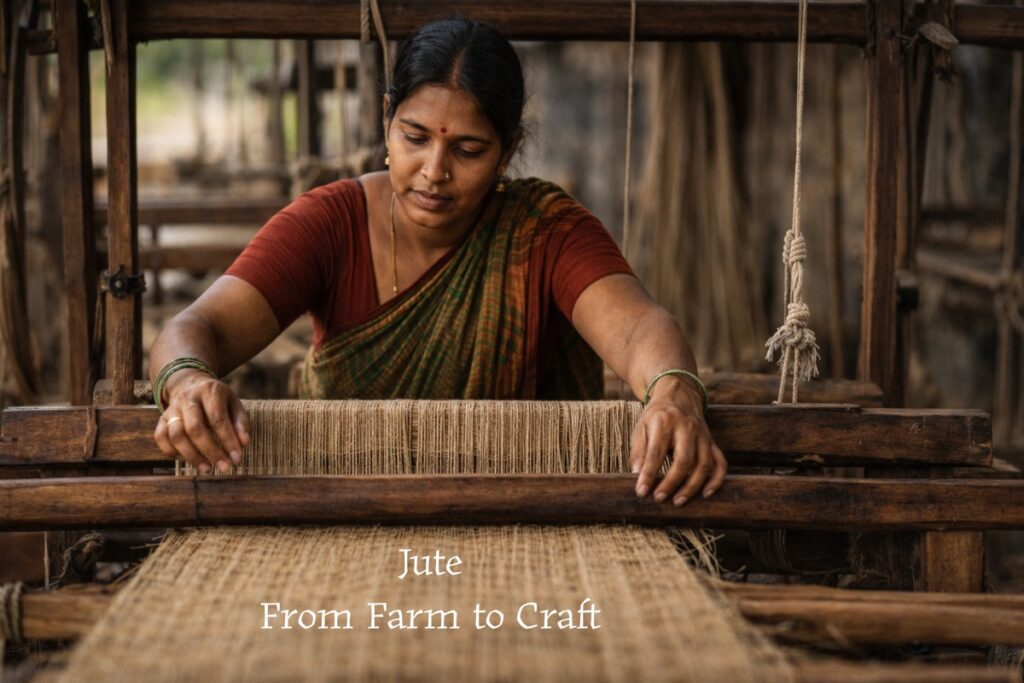
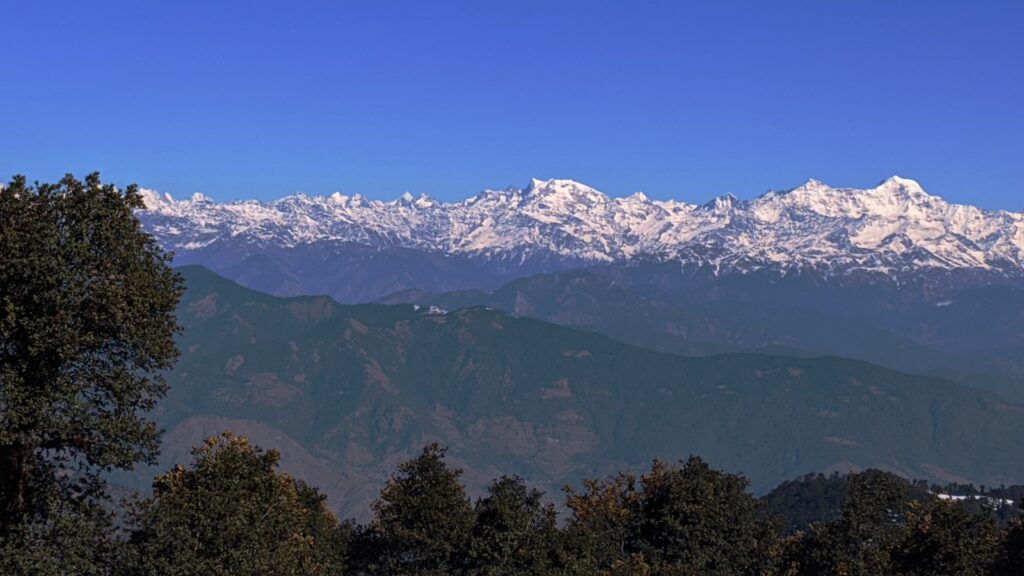
Treasures from the Mountains
Ringaal, Himalayan Nettle, Himalayan Wool & Bhimal — Nature’s Finest Fibres
Long before synthetic fibres took over our homes and wardrobes, the mountains of India had already worked out the perfect solution. In the forests and valleys of Uttarakhand and the greater Himalayan arc, communities had spent generations learning which plants to harvest, which animals to tend, and how to transform raw nature into objects of extraordinary beauty and utility. Three of the most remarkable materials to emerge from this tradition are Ringaal (the dwarf Himalayan bamboo), Himalayan Wool (from native sheep, pashmina goats, and yaks), Himalayan Nettle and Bhimal (a versatile tree whose bark holds a hidden fibre). Together, these three fibres tell the story of sustainable, handcrafted living at its finest — and they are the very soul of what we celebrate at Mrida Creations.
1. Ringaal — The Bamboo of the High Himalayas
Origin & Natural Habitat
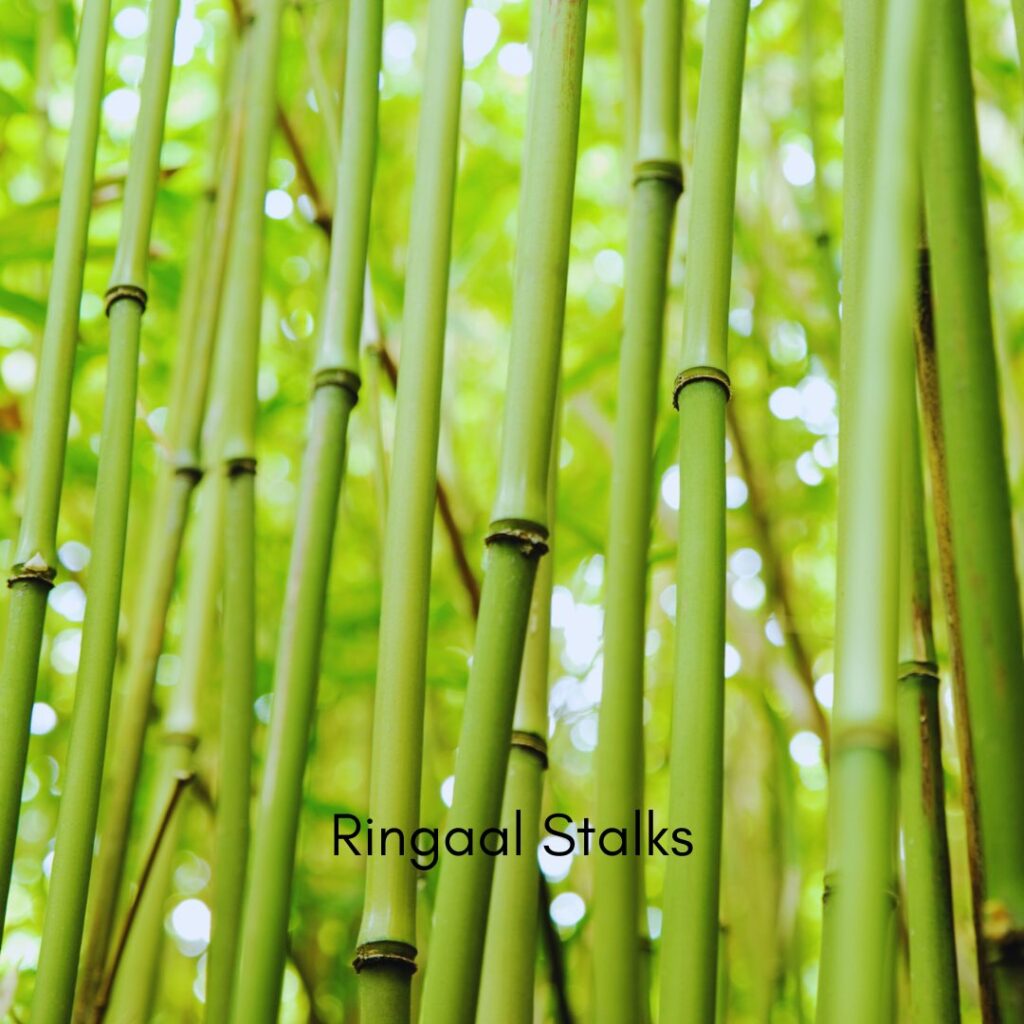
Ringaal is the collective name for several species of dwarf bamboo native to the upper reaches of the Garhwal and Kumaon Himalayas in Uttarakhand. The most widely used species among traditional weavers is Chimonobambusa jaunsarensis, prized for its durability and availability, while Himalayacalamus falconeri is also favoured for its flexible and unusually smooth texture. Another species, Thamnocalamus spathiflorus — known locally as Dev Ringal — has a distinctive natural yellowish hue and is used to craft ritual items and roof coverings for traditional grass houses.
Unlike the towering bamboo varieties seen in tropical lowlands, Ringaal grows to only about 12 feet in height, making it a compact, shrubby plant found near water bodies, along riverbanks, and in the damp valleys and forests of districts including Chamoli, Bageshwar, Almora, Rudraprayag, Joshimath, and Pithoragarh. It flourishes at high altitudes where conventional timber bamboo cannot survive, and it has been a cornerstone of rural Himalayan life for centuries.
One of its most practical advantages over plains bamboo is its superior resistance to water — a critical quality in a region that experiences heavy snowfall and monsoons. This resilience allows Ringaal products to endure the harsh conditions of mountain households in ways that lowland bamboo simply cannot.
A Living Cultural Heritage
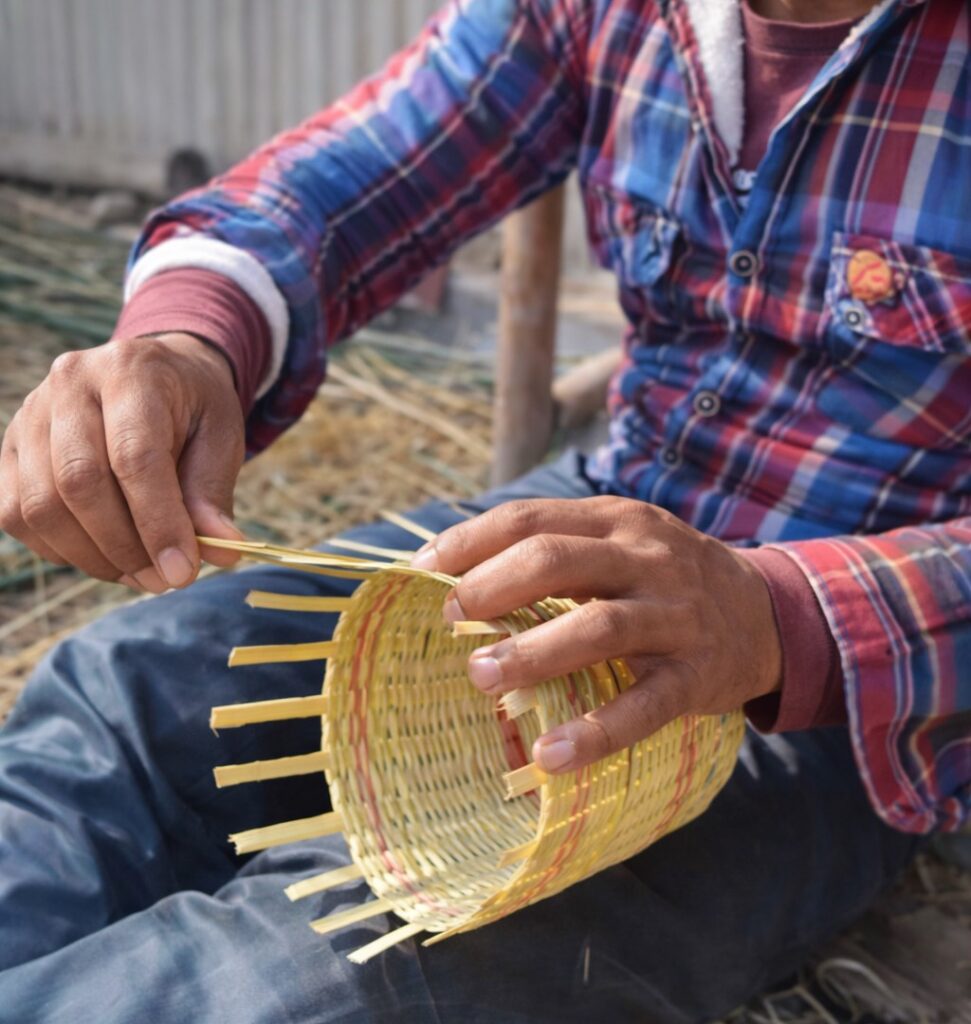
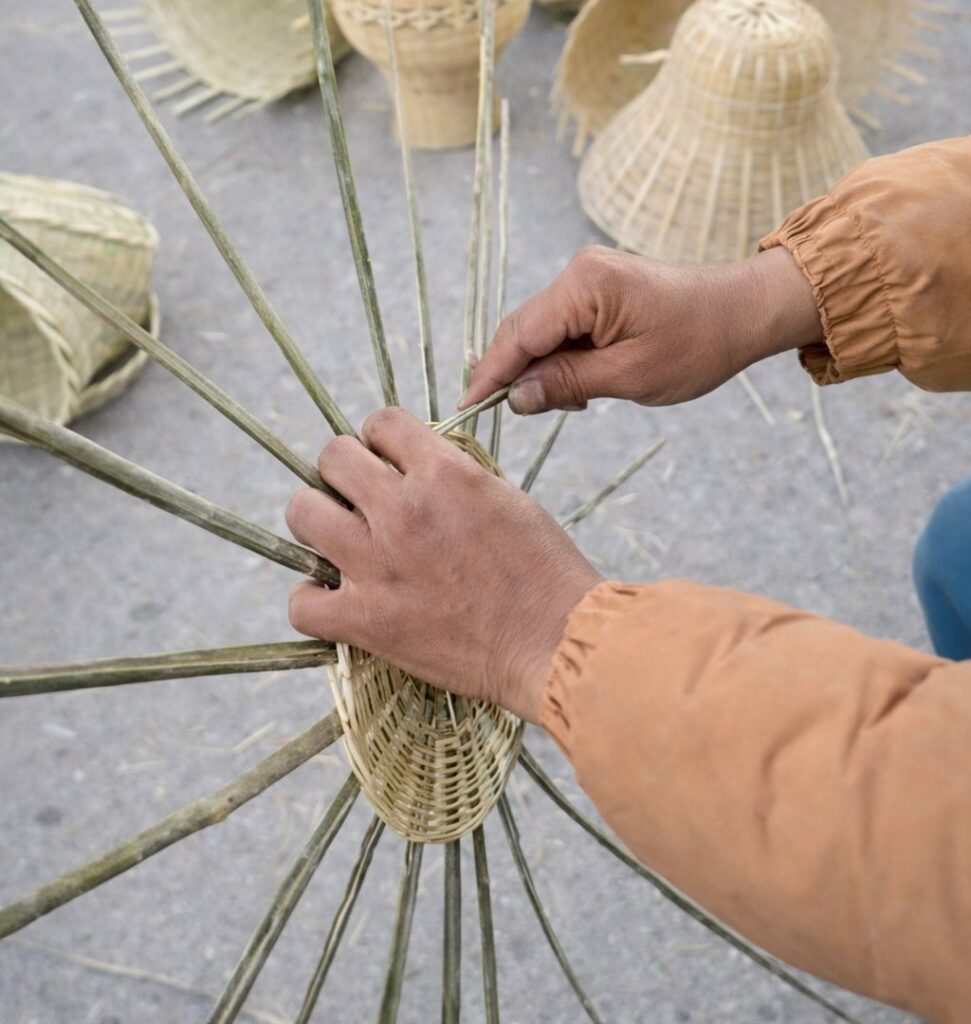
Ringaal weaving is one of Uttarakhand’s oldest crafts, passed down through generations in a tradition so deeply embedded in community life that almost every family in traditional Himalayan villages is directly or indirectly involved in it. The craft has historically been carried forward by a community called the Rudiyas, who were landless artisans that specialised in bamboo work and travelled from village to village selling their creations — baskets, bins, mats, winnowing trays, cradles, and storage containers.
In villages like Baidiya in the Chamoli district, Ringaal is woven into everyday items including baby cradles and cattle baskets, making it not just a craft material but a living part of family life. Each weaver brings a lifetime of skill to the art, with weavers like Balkishen Arya — who started learning at age 15 from his father — exemplifying the generational depth of the tradition.
How Ringaal is Harvested and Processed
The harvesting season typically runs from October to November. Artisans climb into the upper forests to cut the bamboo, which is then carried down on foot — sometimes over long distances. The process that follows is meticulous:
- The outer bark is lightly peeled and the bamboo is dried in the sun for three to four days.
- The stalks are then split into thin, consistent strips using a knife or traditional splitting instrument — the width of each strip varying depending on whether it will form the warp (lengthwise) or weft (crosswise) of the final weave.
- Excess fibres are carefully removed and the strips are soaked in water to increase flexibility before weaving begins.
- Baskets start with a sturdy interlocked base, after which the side walls are woven upward and the rim is reinforced with thicker bamboo splits.
- The final product is smoothed, polished, and sometimes coloured — the natural green of fresh bamboo gives way to a warm, aged tone over time, while fire-blackening creates striking dark decorative patterns.
Traditional craftsmen use 24 stalks of Ringaal to create a single small basket, weaving the strips in a hexagonal pattern that gives the product its characteristic strength with minimal material use.
Uses & Applications
Ringaal’s range of applications has always been as broad as the ingenuity of the communities that use it. Traditionally, the craft produced:
- Kandi baskets — large carrying baskets used to transport firewood, fodder, and cow dung
- Storage bins and grain containers — used in virtually every household kitchen
- Winnowing trays (soulta) — for separating grain from chaff
- Baby cradles and domestic mats
- Sheeting material laid under tin roofs for insulation
- Puja thalis (ritual plates) and walking sticks
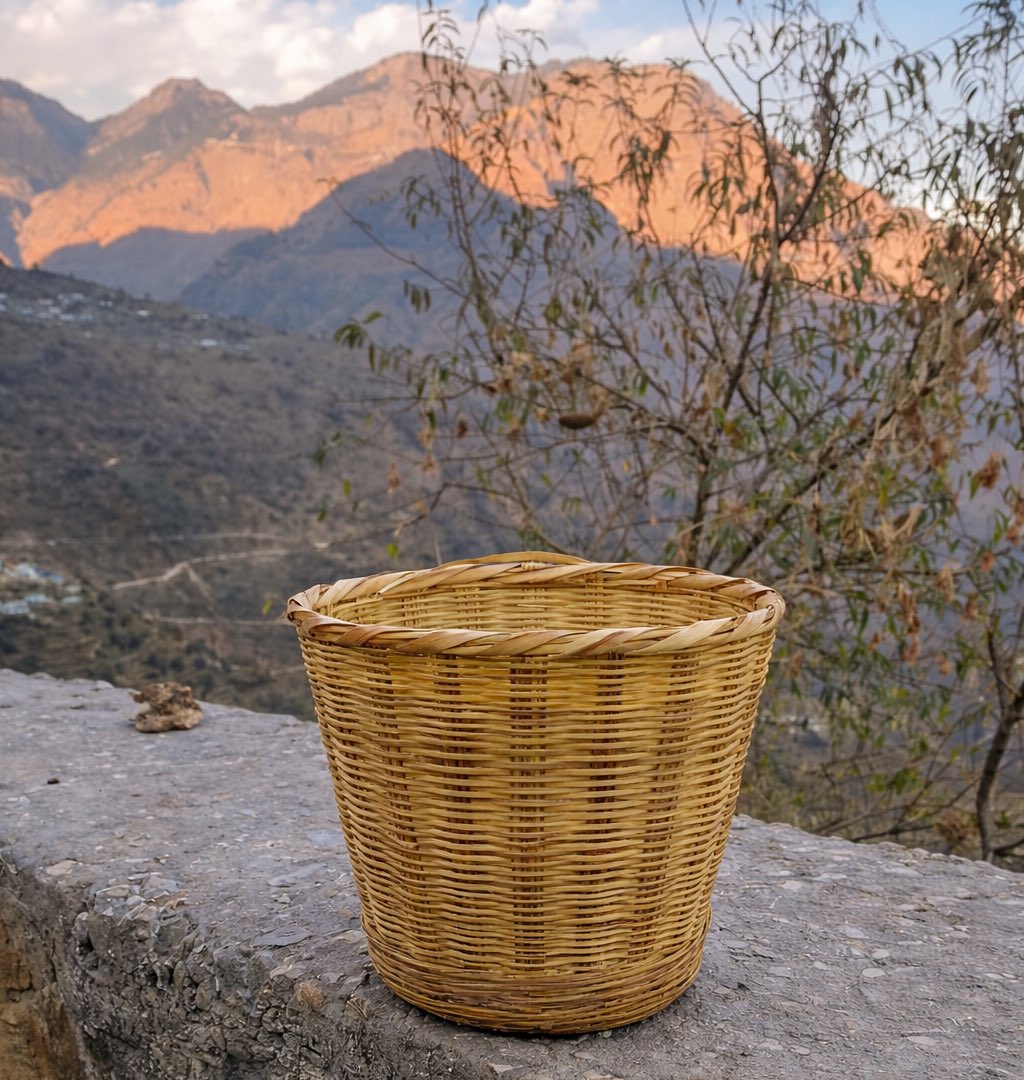
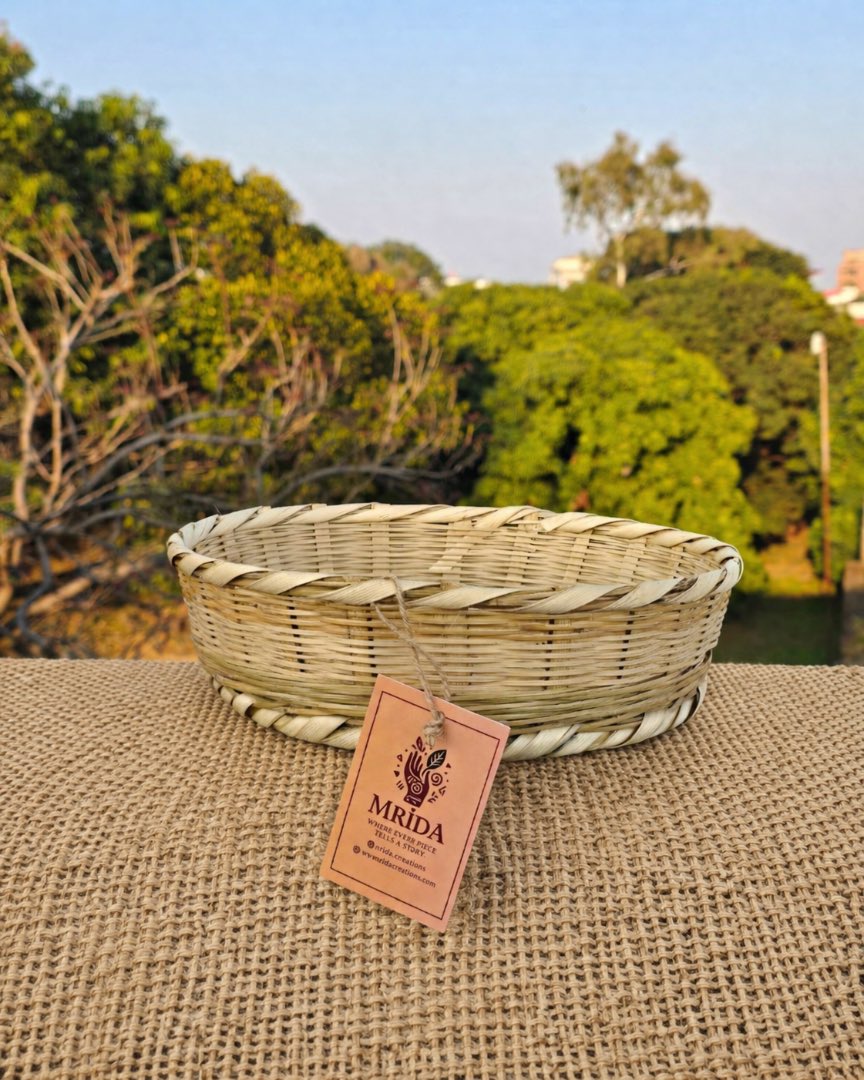
Today, the craft has evolved significantly. Contemporary Ringaal products include handwoven shopping baskets, decorative planters, trays, table accessories, wall hangings, and gifting hampers — making them as much at home in a modern urban apartment as in a traditional Himalayan village.
Benefits of Choosing Ringaal
- 100% natural & biodegradable — decomposes without leaving toxins in the environment
- Exceptional strength-to-weight ratio — sturdy enough for heavy loads yet light to carry
- Greater water resistance than plains bamboo — ideal for long-term daily use
- Zero chemical inputs in growth or processing — a truly clean material
- Rapidly renewable — bamboo regenerates far faster than timber trees
- Carbon-sequestering — bamboo forests absorb significant atmospheric CO₂
- Supports rural livelihoods — every purchase sustains the income of weavers whose families have practised this craft for generations
2. Himalayan Wool — Warmth Woven into Culture
Origin & Natural Habitat
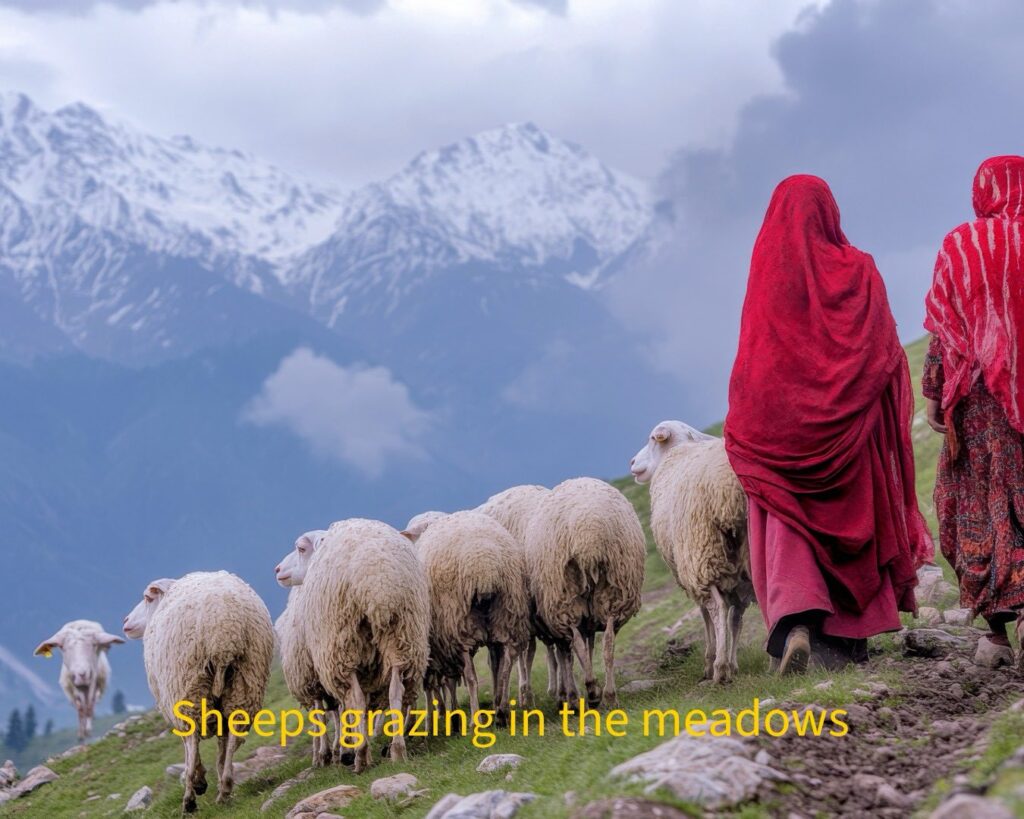
The Himalayan mountain range has, over millennia, shaped the animals that live within it into extraordinary sources of fibre. Sheep grazing in the meadows of Uttarakhand and Himachal Pradesh, pashmina goats roaming the cold deserts of Ladakh and Tibet, and yaks enduring the windswept trans-Himalayan plateaux have each developed fleece or undercoats specifically engineered by nature to survive extreme cold. The fibres harvested from these animals form the basis of one of India’s richest handloom traditions.
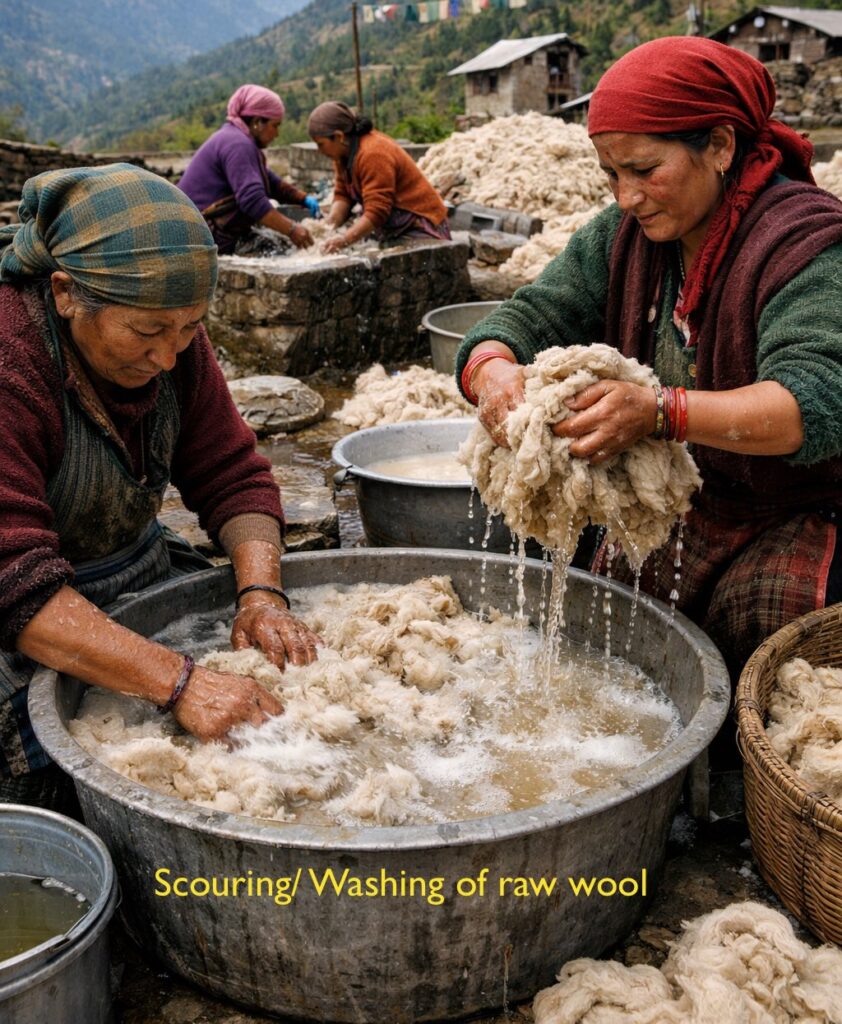
Himalayan sheep wool, sourced primarily from free-range flocks in Himachal Pradesh and the Garhwal Himalayas (including the Harsil area), forms the backbone of shawl weaving in communities like the Bhotia tribe, who migrate with their sheep between summer pastures near Gangotri (at around 3,800 metres) and winter grazing grounds near the plains. The sheep are shorn in September, after which the wool is washed, carded, and hand-spun into yarn for weaving.
Pashmina — arguably the most celebrated of all Himalayan fibres — is combed from the underbelly of Changra goats that graze at altitudes above 14,000 feet in the Changthang region of Ladakh, as well as in Tibet and Mongolia, where temperatures can plunge to -40°C. The extreme cold compels the goats to grow an extraordinarily fine undercoat, which is the source of pashmina’s legendary softness.
Yak wool, sourced from nomadic herders in Ladakh, comes from large bovines that inhabit the trans-Himalayan zones. Like pashmina goats, yaks develop a dense undercoat to survive their harsh habitat. The resulting fibre is celebrated for its warmth, softness, breathability, and natural odour resistance. Yak wool is traditionally woven in its natural dark brown colour without dyeing.
The Weaving Tradition
Wool weaving across the Himalayan belt is a craft with deep cultural and functional roots. The Bhotia community of Uttarakhand, for instance, has woven Pankhi shawls, Thulma blankets, and Pakhi (thin, geometric black shawls) from hand-spun sheep wool for centuries, using natural detergents like the pangar fruit to wash the raw fleece. Women of the community learned spinning at a young age, and the rhythmic clatter of handlooms was once a constant feature of Himalayan households.
How Himalayan Wool is Processed
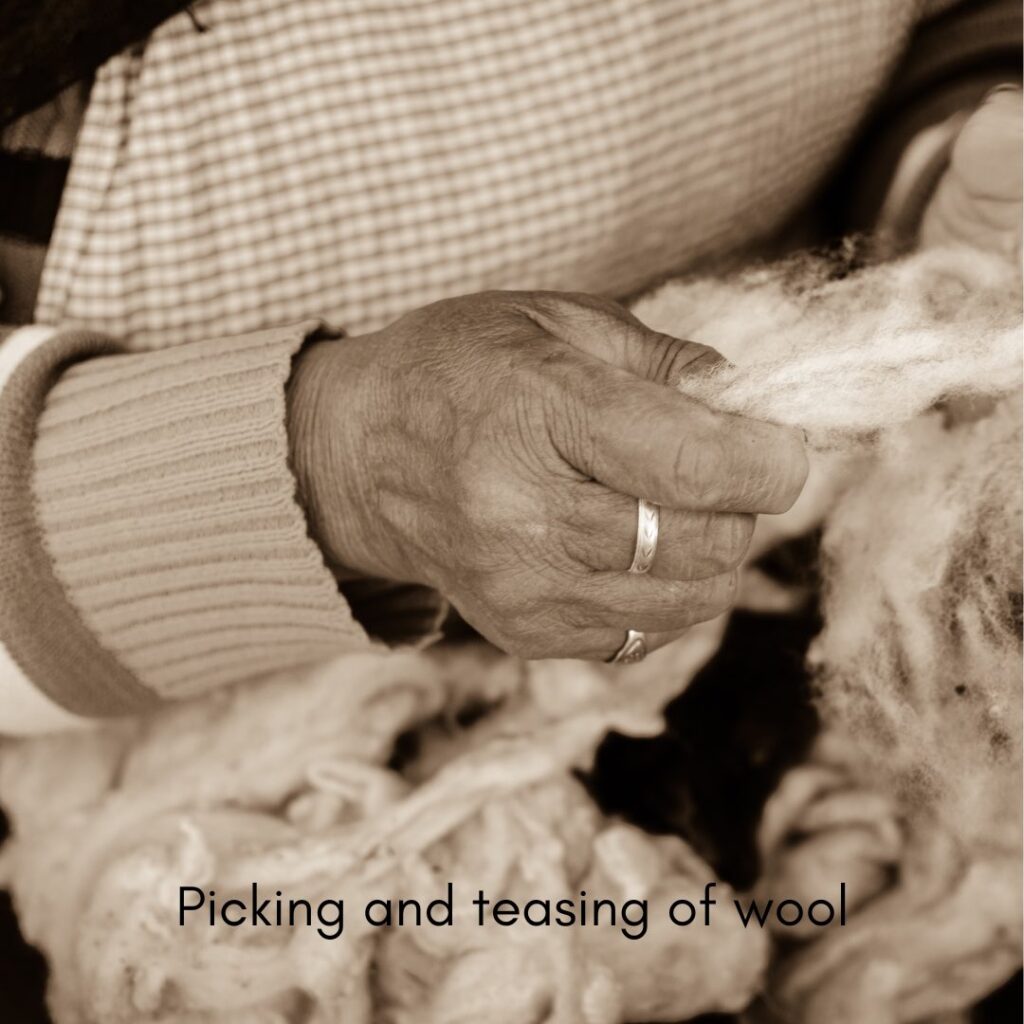
- Fleece sorting — raw wool is sorted by hand; fine fibres are separated from coarser ones and fibres of similar length are grouped together
- Washing — the sorted wool is washed in soapy water or using natural detergents to remove impurities like straw, burrs, and dust
- Carding — fibres are combed and aligned to prepare them for spinning
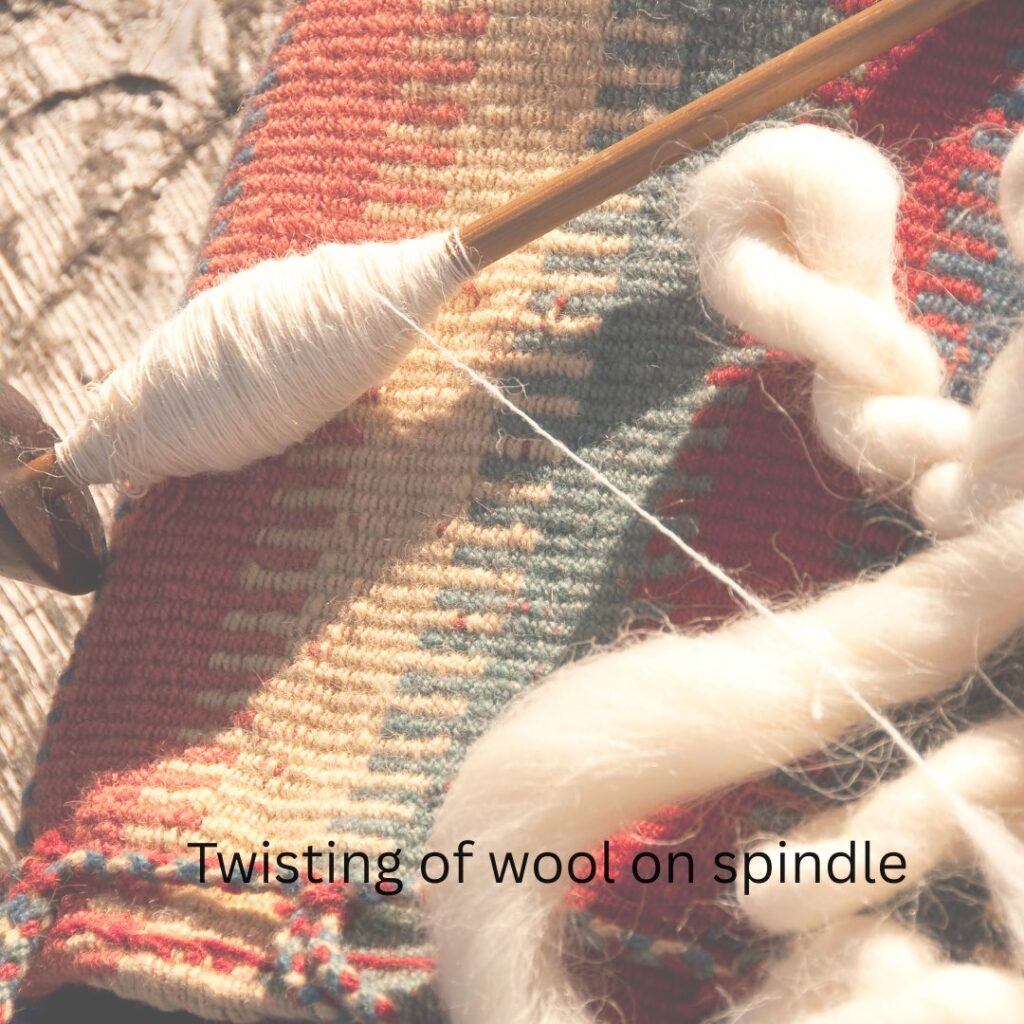
- Hand-spinning — artisans spin the carded wool into yarn using traditional spinning wheels (charkhas), often foot-pedalled for precise control
- Natural dyeing — yarn is dyed using plant-based dye sources where traditional practices are followed
- Hand-weaving — the spun yarn is woven on traditional pit or frame looms into shawls, stoles, blankets, and other textiles
Uses & Applications
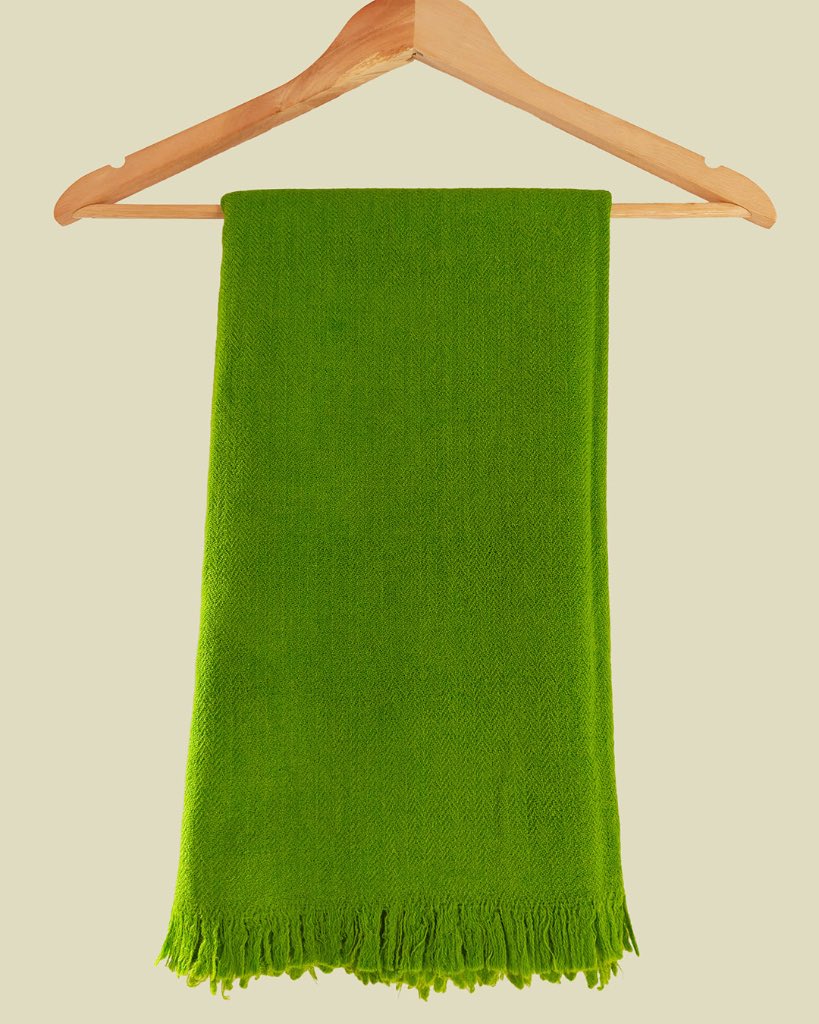
- Shawls and stoles — the most iconic product, ranging from everyday wear to ceremonial pieces
- Blankets (Dohru/Thulma) — heavy woollen weaves used as bedding or heavy furnishings
- Caps and headwear — Himachali Topis (Kinnauri, Kulluwi, Bushahri, Lahuli varieties) are worn as markers of cultural identity
- Sweaters, socks, and gloves — traditionally knitted from hand-spun wool by Bhotia women
- Carpets and rugs — particularly associated with communities in Dharchula and Munsiyari
- Scarves and accessories — pashmina and yak wool scarves find strong demand in global markets
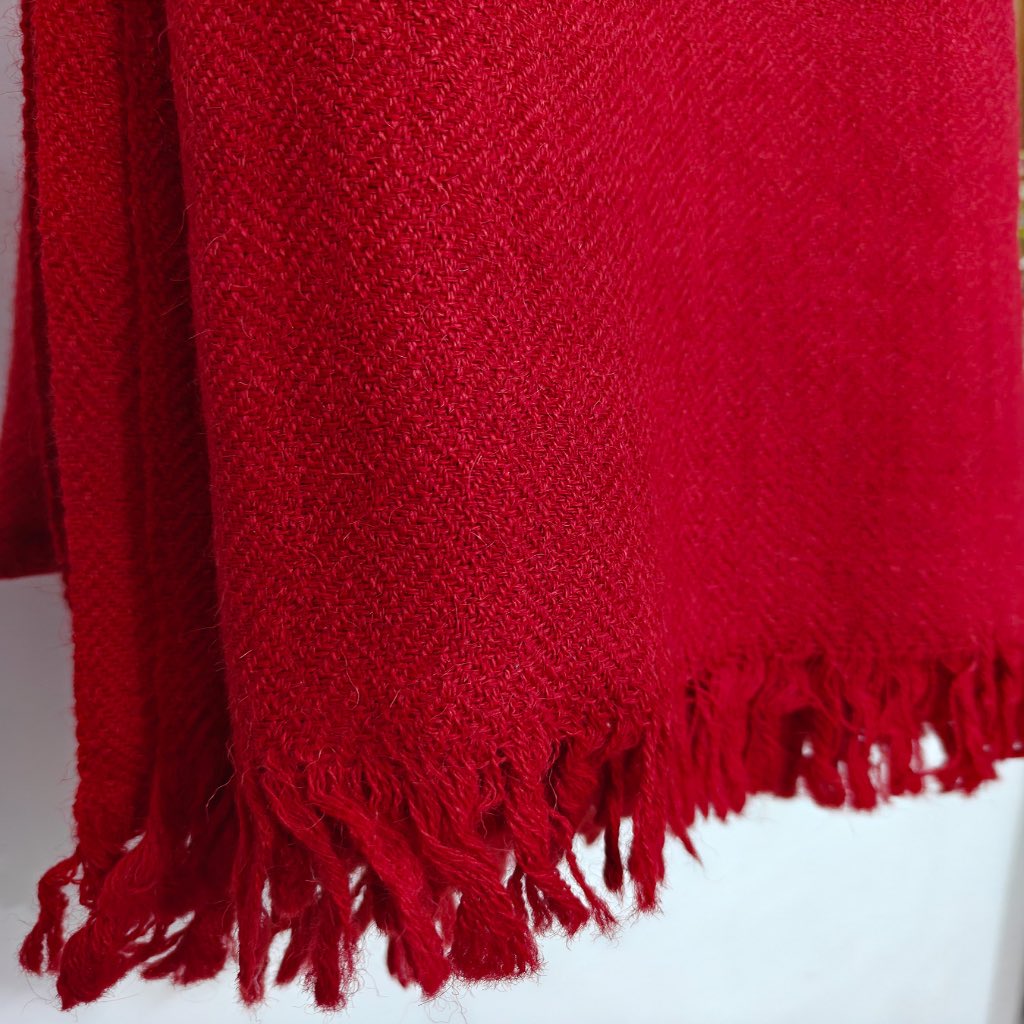
Benefits of Himalayan Wool
- Exceptional thermal insulation — naturally traps air to keep the body warm even in sub-zero conditions
- Breathable — regulates body temperature, keeping you warm in cold and preventing overheating
- Moisture-wicking — draws moisture away from the skin and releases it into the air
- Naturally flame-resistant — wool does not ignite easily and self-extinguishes
- Biodegradable & renewable — a fully circular material that returns to the earth without harm
- Odour-resistant — the antibacterial properties of wool reduce the need for frequent washing
- Durability — high-quality handwoven woollen items can last decades with proper care
- Ethical & cruelty-free when traditionally sourced — free-range Himalayan flocks are a world away from industrial animal farming
3. Bhimal — The Hidden Fibre of the Hills
Origin & Natural Habitat
Bhimal (Grewia optiva), also known locally as Beul, Bihul, Dhaman, or Bheku, is a perennial, evergreen tree of the Tiliaceae family that grows throughout the lower Himalayan range — from Punjab to Bengal at the foothills, ascending to elevations of about 7,000 feet. It is most abundantly found in Chamoli and Pauri districts of Uttarakhand, thriving best in moist sandy loam soils and flourishing in subtropical climates where it can withstand both Himalayan frosts and warm summers.
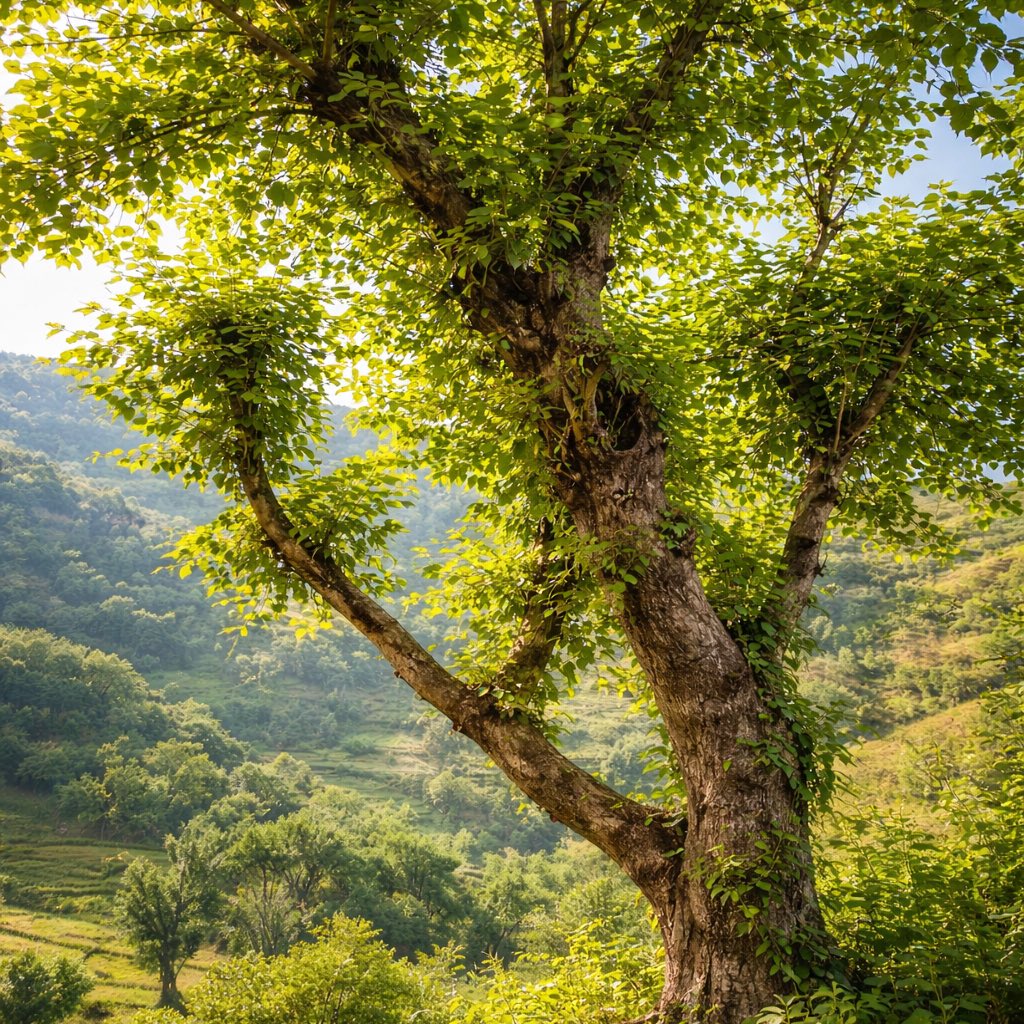
At maturity, Bhimal can reach 45 feet in height and 4.5 feet in girth. It is so well integrated into the lives of Himalayan farmers that each family typically keeps 6–8 trees at lower altitudes and 10–12 trees at higher altitudes. The tree is considered a multipurpose family resource: its leaves provide nutritious fodder for livestock through the lean winter months, its bark yields a remarkable bast fibre, its timber is used for tool handles and cot frames, and even its bark sap serves as a natural shampoo — rich in saponins, it has been used by hill communities for hair washing long before commercial shampoo existed.
In ancient times, the people of Uttarakhand made clothing entirely from Bhimal fibre, weaving it into garments that were the primary textile of mountain households. While that tradition has been largely overshadowed by more widely available fibres, a quiet revival is underway.
The Fibre and Its Properties
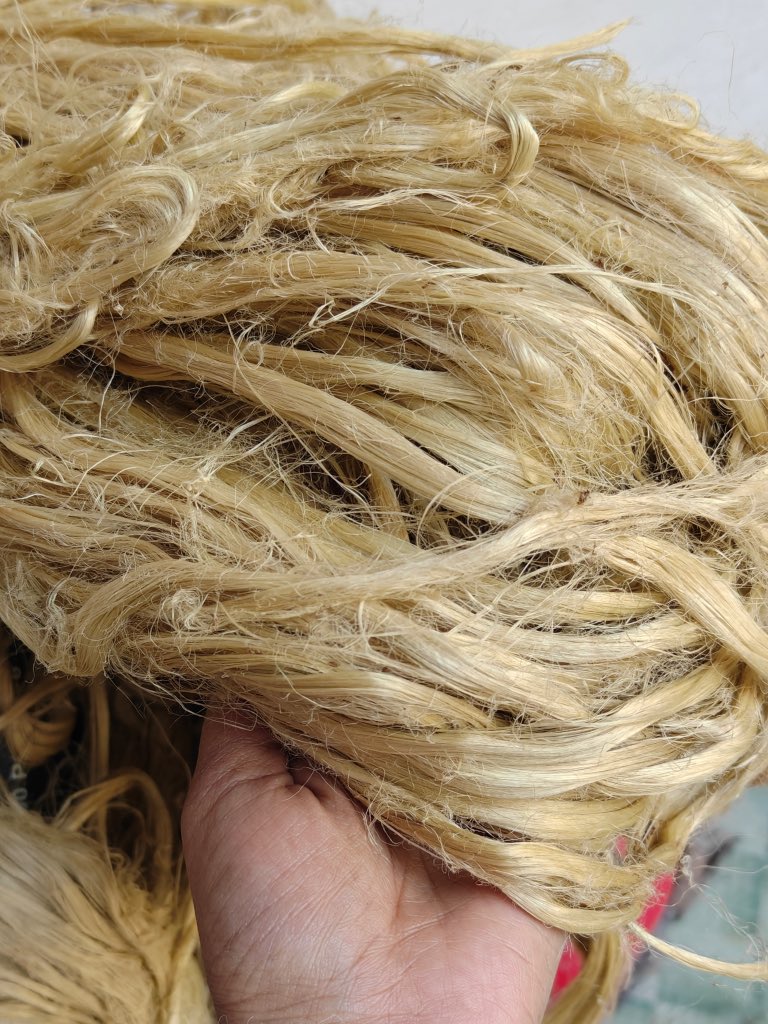
The bark of Bhimal branches contains a bast fibre composed of sclerenchyma tissue — dead cells with heavily thickened walls that contain lignin and between 60% and 80% cellulose. This cellulosic structure gives the fibre impressive mechanical properties: research has demonstrated that Bhimal fibre-reinforced composites show higher strength than those made from flax, palmyra, or even jute. The fibre has a linear stress-strain behaviour, indicating predictable, reliable structural performance.
Studies describe Bhimal as superior to jute in its mechanical properties, making it one of the most underutilised economic plant fibres in India — a fact that researchers and craft revivalists are working hard to change. Its seeds can even be used to produce natural dyes suitable for cotton, silk, wool, and jute fabrics.
How Bhimal Fibre is Extracted — The Retting Process
The traditional extraction of Bhimal fibre follows a seasonal rhythm tied to the agricultural calendar:
- Pruning — branches are cut during the winter months when the tree is pruned for cattle fodder
- Sun-drying — in April, the dried branches are laid out in sunlight
- Retting — the branches are bundled and submerged in running water (typically a mountain stream called a gadhera) for 30–40 days, depending on the thickness of the branches and the water temperature. This process breaks down the organic matter binding the fibres to the woody core.
- Beating — after retting, the soaked branches are beaten manually to separate and extract the bast fibre
- Cleaning — the extracted fibre is washed, cleaned, and dried
- Carding and spinning — to create textile-quality yarn, the fibre must be further softened, carded, and spun, a process that artisans and NGOs in the Rishikesh region are increasingly mastering by blending Bhimal with jute
Uses & Applications
The versatility of Bhimal has always been one of its defining qualities. Traditional and contemporary uses include:
- Ropes and cordage — bast fibre ropes used to carry large bamboo Kandi baskets and as cattle leashes
- Baskets and mats — thin branches woven directly into carrying baskets and floor coverings
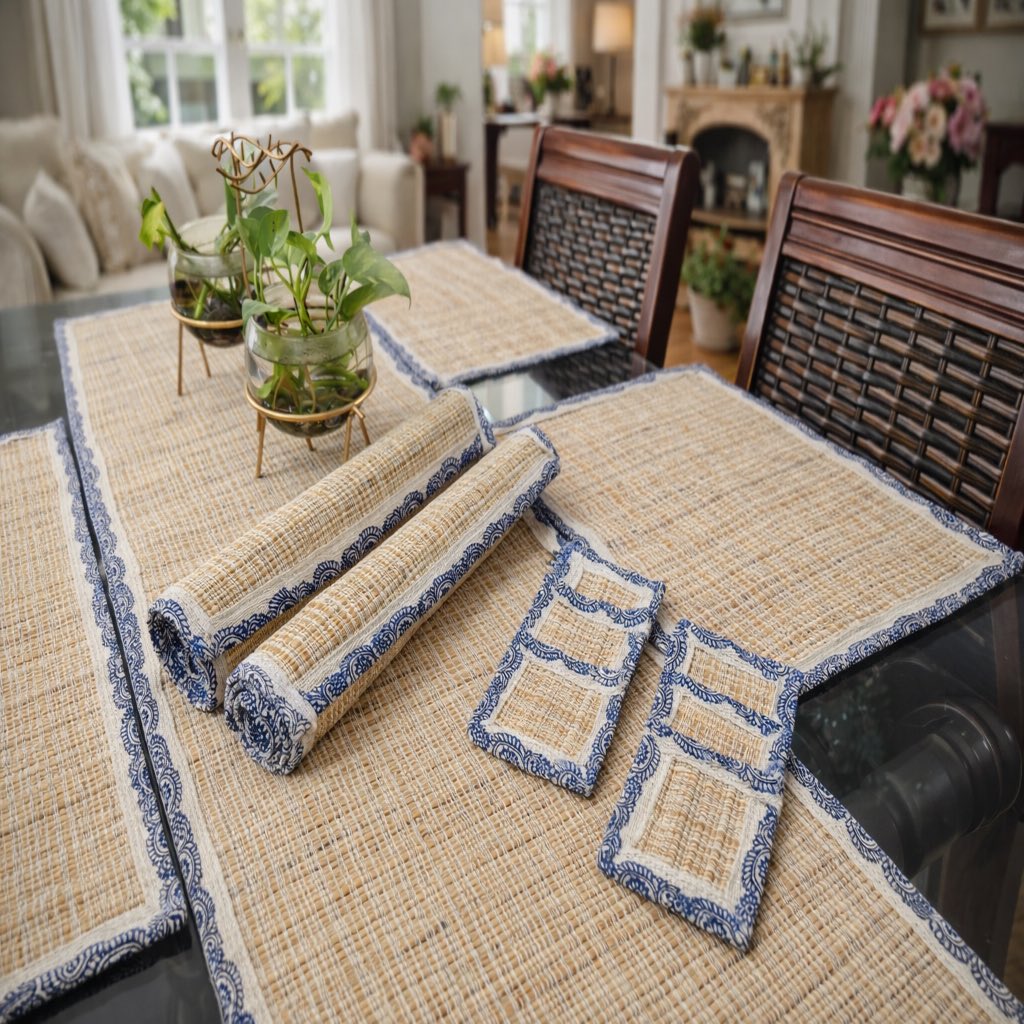
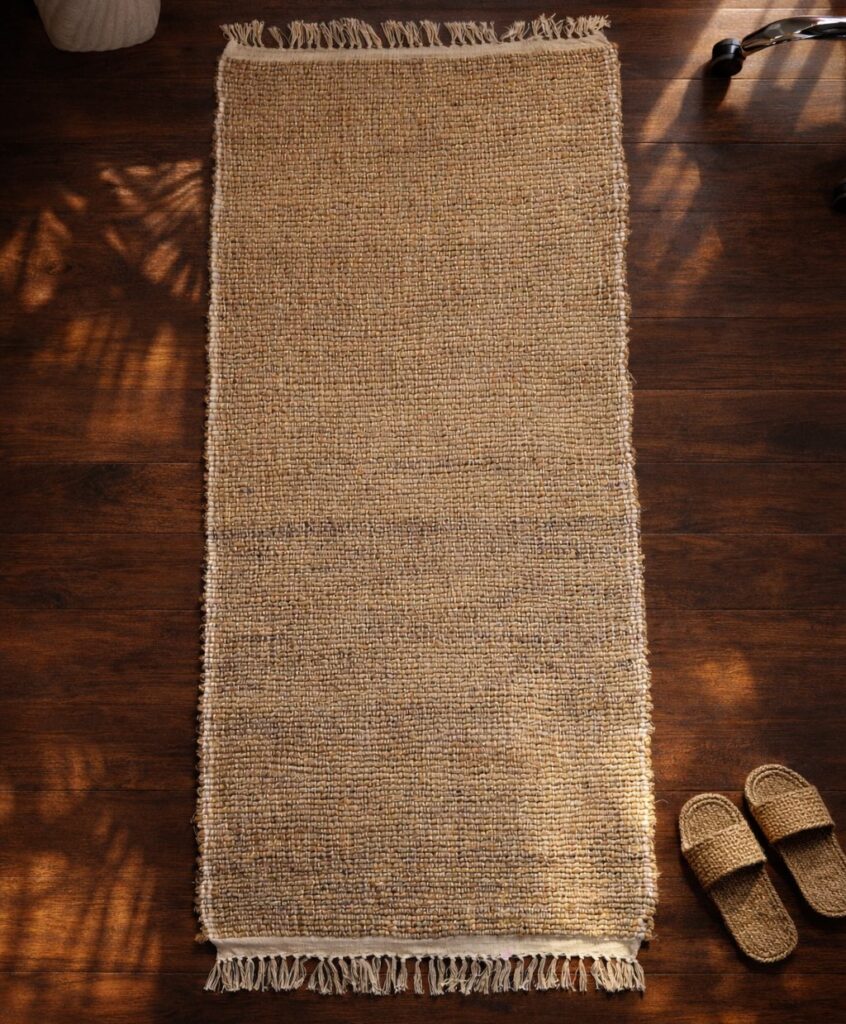
- Slippers and footwear — women from various self help groups of Uttarakhand now blend Bhimal and jute fibres to weave attractive hand-made slippers that have caught the attention of people who want fashion which is eco-conscious.
- Bags and pouches — handcrafted from blended Bhimal-jute fibre with natural dye finishes
- Paper production — Bhimal tree pulp is an excellent raw material for high-quality handmade paper
- Natural shampoo — bark sap rich in saponins used as a gentle, chemical-free hair cleanser
- Agricultural tool handles — timber from thicker branches used for handles of small tools
- Medical and health applications — the Bhimal fibre blends well with other fibres and has been explored for use in bandages, gauze, and medical dressings due to its reportedly antibacterial properties
- Future textiles — researchers envision Bhimal fibre being used for area rugs, carpets, lamp shades, upholstery, shoe uppers, jackets, coats, hats, table linen, and bed spreads.
Benefits of Bhimal
- Stronger than jute — superior mechanical and tensile properties make it an exciting natural fibre alternative
- Entirely natural & biodegradable — extracted without chemicals through a traditional water-retting process
- A byproduct of existing farming — Bhimal trees are already cultivated for fodder and fuel; fibre extraction adds economic value without additional land use
- Soil protection — the tree’s roots hold hillside soil in place, preventing erosion in vulnerable mountain terrain
- Carbon-absorbing — like all trees, Bhimal sequesters atmospheric carbon throughout its lifecycle
- Supports women’s economic independence — in villages near Rishikesh, women’s groups have turned Bhimal weaving into a meaningful source of income
- Cultural continuity — reviving Bhimal craft reconnects communities with an ancient textile tradition that modern fibres had replaced.
4. Himalayan Nettle — The Sting That Weaves
Origin & Natural Habitat
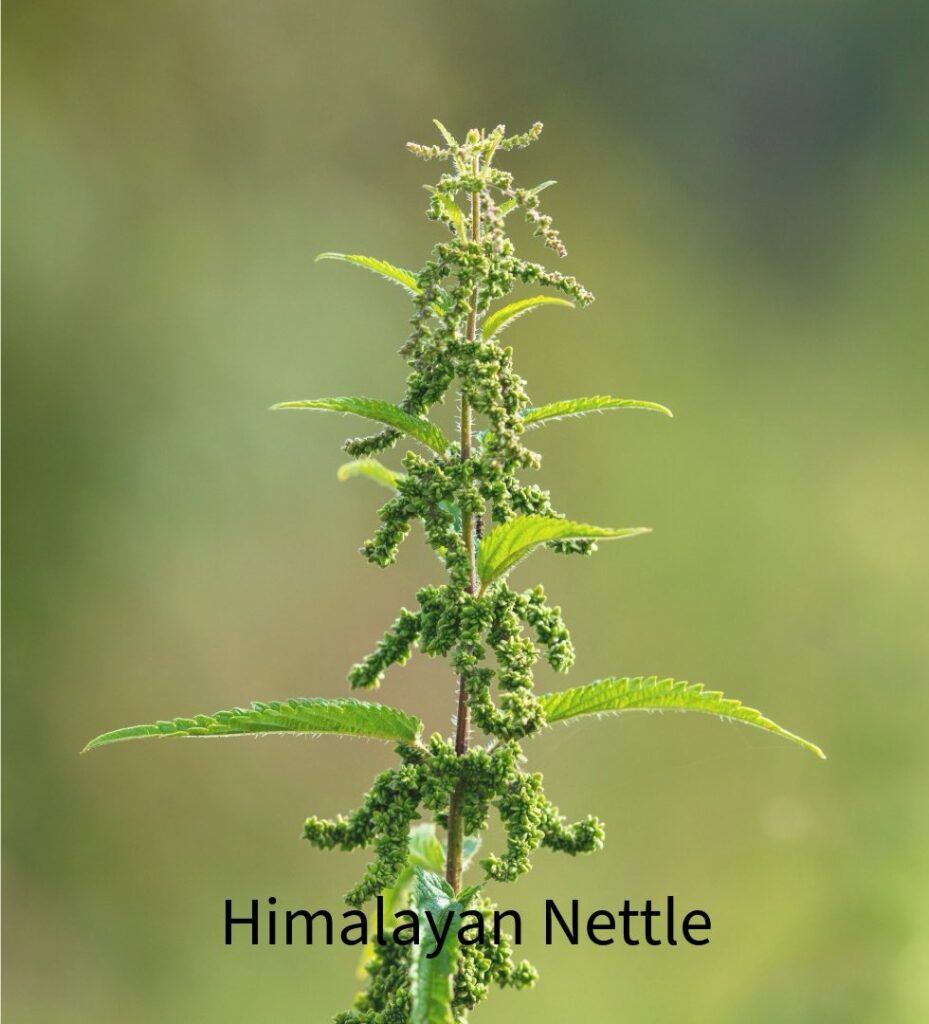
Himalayan Nettle (Girardinia diversifolia), known as Kandali in Uttarakhand and also referred to as Hathi Sisnu (elephant nettle) owing to its impressive size, is a wild, perennial herb that grows abundantly across the entire Himalayan arc — from Himachal Pradesh and Uttarakhand through Nepal, Sikkim, and Bhutan, extending into parts of China and Myanmar. In Uttarakhand, it grows prolifically in the Garhwal Himalayan valleys, and its range extends right up through Sikkim. It thrives at altitudes between 1,200 and 3,500 metres, preferring the shade of deciduous forests, moist ravines, riverbanks, and the edges of cultivated terraced land where it also helps consolidate soil bunds.
The plant grows to a height of about 3 metres, with a stout stem that can reach 4 cm in diameter at the base. Its leaves are broad and palm-like, and its stem and leaves are covered with long white stinging thorns — the same thorns that give the plant its name and make harvesting a careful, protective operation. The flowers appear from July to September, and the best-quality fibre comes from harvests taken just before flowering, at the end of the monsoon season in August and September. Artisans prize fibres from plants growing at the highest altitudes and deepest shade, which yield the finest, whitest strands.
A Craft Tradition Carried by Women
The extraction and weaving of Himalayan Nettle fibre is one of the most ancient textile traditions in the Himalayan region, practised for centuries by ethnic communities including the Gurung, Magar, Rai, Tamang, and the nomadic Rautye of Nepal, and by hill communities across Uttarakhand and Sikkim. Among the Gurung people of Sikles in the trans-Himalayan region of Nepal, nettle fibre — called Puwa — holds deep cultural significance, and virtually all nettle-related work has traditionally been the preserve of women.
Women are responsible for harvesting, processing, spinning, and weaving, while men typically contribute to making ropes, fishing nets, and porter headbands. The craft is passed from mothers to daughters from a young age, and in many communities the rhythmic work of nettle spinning has been as central to domestic life as cooking.
How Himalayan Nettle Fibre is Extracted
Harvesting begins towards the end of the monsoon in August-September and continues until March, when the plants begin to flower. The process from plant to fibre is labour-intensive and deeply traditional:
- Harvesting — stems are cut using sickles at about 15 cm above the ground, leaving enough stem for new shoots to regenerate. Harvesters protect their hands with cloth wrappings against the potent sting.
- Retting — cut stems are left for a few days to reduce the potency of the stinging hairs, then immersed in water to begin breaking down the outer organic matter.
- Boiling — the inner part of the stem, which contains the fibres, is boiled to loosen the bast from the woody core.
- Mud-rubbing — the softened fibre is rubbed in a special mud called Kamedu Mitti, which further separates and cleans the individual fibres through a natural chemical interaction.
- Washing & sun-drying — the extracted fibres are washed clean and dried in direct sunlight.
- Hand-spinning — the dried fibre is hand-spun into yarn, entirely without machinery. Spinning 1 kg of yarn traditionally takes 5 to 10 days, reflecting the extraordinary patience and skill involved.
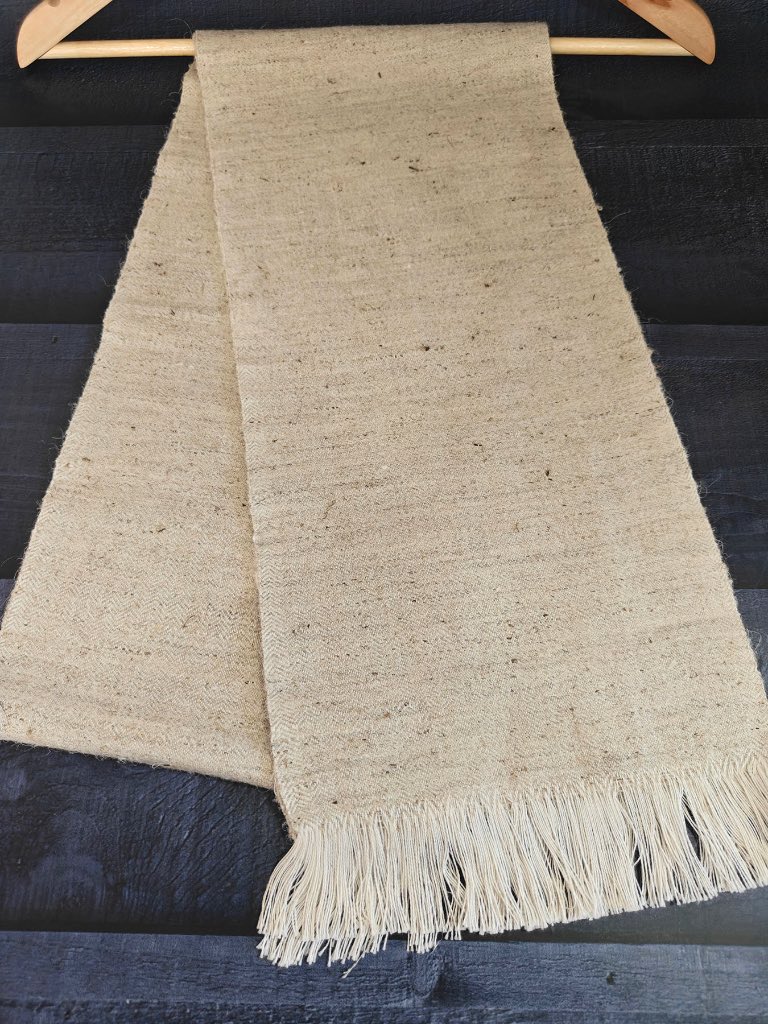
- Weaving — the spun yarn is woven on traditional handlooms into fabric, bags, mats, and clothing. The woven fabric feels similar to linen and develops increasing softness with each wash.
Fibre Properties — Stronger Than Linen
Himalayan Nettle is not merely a cultural curiosity — it is, by measurable scientific standards, a remarkable textile fibre. Research by the Centre for Sustainable Fashion and the Department of Jute and Fibre Technology at the University of Calcutta has confirmed that Himalayan Nettle fibre is longer, stronger, and more elastic than flax (linen). It is a bast fibre composed predominantly of cellulose, with smooth, strong individual filaments that give the final fabric its characteristic durability.
Studies have demonstrated higher tensile strength, elongation, and friction strength compared to European nettle (Urtica dioica), and the fabric shows excellent resistance to wrinkling as well as naturally antimicrobial properties. The plant also contains phytosterols, polyphenols, Vitamin C, Vitamin B2, and linoleic and linolenic acids — making it a remarkable source of pharmaceutical and nutraceutical potential beyond its textile use.
Uses & Applications
- Traditional clothing — the Bhangra (traditional Gurung garment) and other garments have been woven from nettle fibre for centuries
- Ropes and cordage — among the most ancient uses; strong, durable nettle ropes for carrying loads and securing livestock
- Bags, sacks and pouches — woven for household storage and carrying
- Floor mats — coarse-woven nettle mats for domestic use
- Fishing nets — the strength and water resistance of nettle fibre makes it ideal for traditional fishing
- Porter headbands (tumplines) — used by mountain porters to carry heavy loads
- Shawls and scarves — blended with wool or other fibres for softer wearable textiles
- Modern fashion — jackets, vests, hats, bags, and accessories for sustainable lifestyle markets
- Natural dye — seeds of the nettle plant yield a blue dye suitable for cotton, silk, wool, and jute
- Traditional medicine — used in Himalayan communities to treat joint diseases, inflammation, and other conditions
- Livestock fodder and fuel — the non-fibre parts of the plant serve multiple agricultural purposes
Benefits of Himalayan Nettle
- Stronger and more elastic than linen — scientifically validated superior mechanical properties
- Naturally antimicrobial — fabric resists bacteria, reducing the need for chemical treatments
- Wrinkle-resistant — retains shape and finish with minimal care
- Grows wild without cultivation — no farmland, irrigation, or agricultural inputs required
- Zero chemical processing in traditional extraction — the entire process from plant to fibre uses only water, mud, and sunlight
- Fully biodegradable — returns to the earth completely at the end of its life
- Softens with washing — improves in texture over time, unlike synthetic alternatives that degrade
- Empowers women — nettle craft is a primary income source for women’s groups across the Himalayan region
- Wild forest regeneration — harvesting encourages natural regrowth and supports forest biodiversity
- Multi-use plant — every part serves a purpose, making it one of the most economically efficient plants in the Himalayan ecosystem.
Why These Fibres Matter Today
We live in an era of synthetic overload. Polyester, nylon, and plastic-derived materials have infiltrated nearly every corner of our homes — from the bags we carry to the baskets we use for storage. These materials are convenient and cheap, but they come at an enormous cost: they do not biodegrade, they leach microplastics into waterways, and their production depends on fossil fuels and toxic chemical processes.
Ringaal, Himalayan Wool, Bhimal, and Himalayan Nettle offer a fundamentally different proposition. They are grown by the earth, harvested sustainably, processed by human hands without factory machinery or chemical inputs, and at the end of their long lives, they return to the soil without a trace of harm. They are not alternatives to modern materials — they are superior to them, in every way that truly matters.
Beyond their environmental credentials, each of these fibres carries within it the accumulated knowledge of communities who have lived in and with the Himalayas for centuries. When you hold a Ringaal basket woven by an artisan in Chamoli, wrap yourself in a Bhotia shawl hand-spun in Bagori, slip your feet into a pair of Bhimal-jute slippers from a village near Rishikesh, or wear a nettle-woven scarf crafted by a women’s collective in Uttarakhand, you are participating in an unbroken chain of human ingenuity and craftsmanship that no factory can replicate.
At Mrida Creations, we believe that the most beautiful objects are those that are honest about where they come from. Our products made with natural fibres and grasses are not styled to look handmade — they are handmade, by skilled artisans whose families have practised their craft across generations. Every imperfection is a signature. Every piece is unique. And every purchase is a vote for a world where nature and human creativity work together, rather than against each other.
Explore our collection of handcrafted natural fibre products at mridacreations.com
© Mrida Creations | Handcrafted with love, rooted in nature