
Why Jute is becoming popular again
In a world increasingly dominated by synthetic materials and fast consumption, natural fibres are quietly making their way back into our homes. Among them, jute stands out as one of the most sustainable and versatile materials nature has given us. Jute was one of the first products that we decided to add to our catalogue because of its eco-friendliness and high effectiveness in carbon absorption. It is also very versatile as it can be shaped in different ways and adds minimalist natural beauty to homes.
The Journey of Jute: From Farm to Finished Product
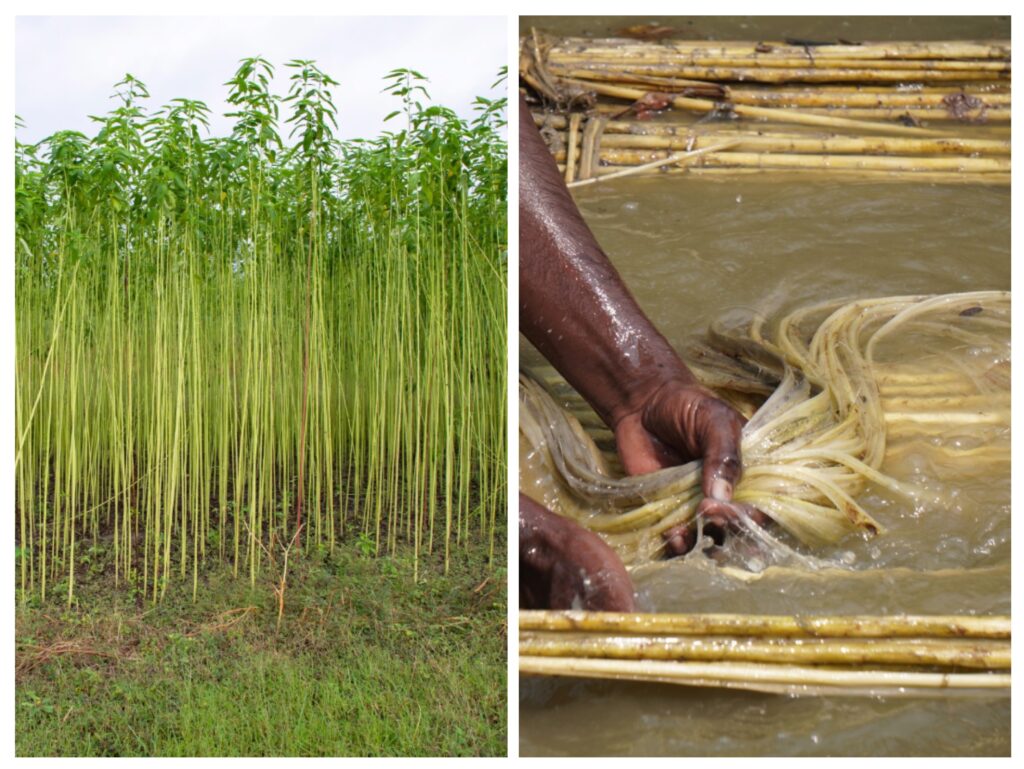
Most of the world’s jute is grown in the fertile plains of eastern India, particularly in the state of West Bengal. The plant thrives in warm, humid climates and grows rapidly during the monsoon season. Within about four to six months, the tall green stalks are ready for harvest. Once harvested, the stems are submerged in slow-moving water bodies in a process known as retting. During this stage, natural microbial action loosens the fibres from the plant stalk. The fibres are then carefully extracted, washed, and dried in the sun. What emerges is a long, lustrous golden fibre — strong, flexible, and completely natural.
From fibre to craft
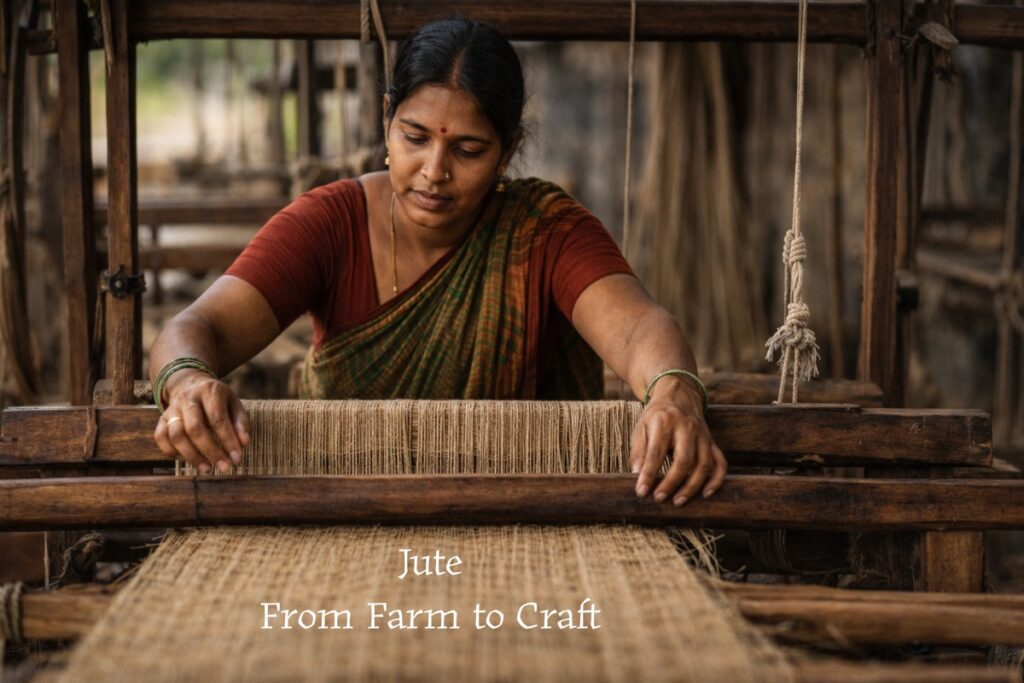
While the fibre originates in West Bengal, the transformation into finished products happens through skilled craftsmanship in Uttarakhand. The local artisans work on it through handcrafting, weaving, and stitching. This stage is where creativity meets tradition. The fibre is spun into yarn, woven into fabric, and then shaped into functional products. This process results in a range of handcrafted items such as:
• Jute bags
• Desk and home organisers
• Decorative pieces
• Office supplies
• Apparel and lifestyle accessories
Each piece carries subtle variations, reminding us that handmade products possess a character that machine-made items often lack.
Why jute is called Golden Fibre?
Jute is known as the “Golden Fibre” for two primary reasons: its physical appearance and its significant economic value.
Physical Characteristics: Raw jute fibres possess a natural yellowish-brown, metallic tint. When processed, they have a distinct silky shine that resembles gold.
Economic Importance: Historically and currently, jute is a major source of foreign exchange for countries like India and Bangladesh. It supports the livelihoods of millions of farmers and factory workers.
Common uses of Jute
ute is one of the most versatile natural fibres and is used across many industries. Today, it is widely used for both functional and decorative purposes.
Some common uses include:
• Eco-friendly shopping bags
• Home storage baskets and organisers
• Office desk accessories
• Laptop and travel bags
• Rugs and carpets
• Decorative home accents
• Gift hampers and packaging
• Apparel and fashion accessories
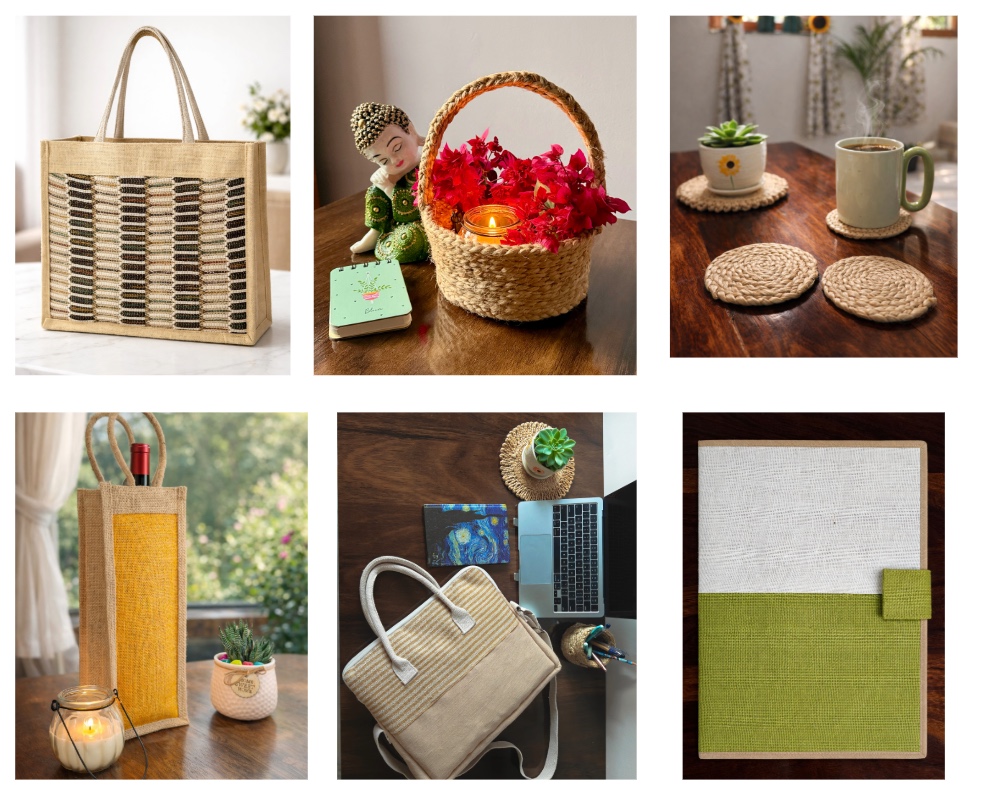
Because of its strength and natural texture, jute products blend beautifully with both modern and rustic interiors.
You can explore our handcrafted jute organisers, storage solutions designed for minimalist workspaces and Office essentials like laptop bags and file folders etc. Link > Jute Products
Benefits of jute
1. 100% Biodegradable: Unlike synthetic materials, jute decomposes naturally without leaving harmful residues behind.
2. Helps Enrich the Soil:
Jute cultivation improves soil health, making the land more fertile for future crops.
3. Lower Carbon Footprint:
Jute plants absorb significant amounts of carbon dioxide while growing, making them beneficial for the environment.
4. Durable and Long-lasting:
Despite being a natural fibre, jute is surprisingly strong and durable, allowing products to last for years with proper care.
5. Thermal Properties:
Jute fibres conduct heat well, which makes them suitable for many practical applications and products.
These qualities make jute a material that aligns perfectly with the growing demand for responsible consumption and sustainable living.
Misconceptions about Jute
One of the most common misconceptions people have about jute is that it is coarse and unattractive. In reality, jute can be incredibly beautiful when thoughtfully designed. Its natural texture and earthy tone give it a minimalist, rustic charm that blends effortlessly with modern interiors.
Today, jute is widely used in:
• Minimalist home decor
• Sustainable lifestyle products
• Office accessories
• Fashion and apparel
• Gift hampers and packaging
Rather than appearing rough, well-crafted jute products often bring a warm, organic aesthetic that many people now seek in their homes.
How to take care of Jute products/ items
One of the advantages of jute is that it requires very little maintenance.
With just a few simple steps, jute products can stay in great condition for years.
Basic care tips:
• Occasionally vacuum or shake the product to remove dust.
• Avoid submerging jute products in water.
• If needed, clean gently with a slightly damp cloth.
• Keep the product in a dry, ventilated area.
Because jute is a natural fibre, treating it gently helps preserve both its strength and appearance
Why Jute Fits Perfectly in Modern Homes
With growing awareness around sustainable living people are choosing to integrate products which cause least harm to the nature into their lifestyles. Many people initially choose jute because it is eco-friendly. But what often surprises them is how well it fits into modern lifestyles.
Jute products bring a natural warmth and texture into homes that plastic or synthetic materials cannot replicate.
Customers today appreciate jute products for two main reasons:
- Their environmental benefits
- Their natural aesthetic appeal
Whether it’s a desk organizer, a storage basket, or a handcrafted bag, jute introduces a sense of grounded simplicity to everyday spaces.
A Fibre That Connects Nature and Craft
Jute’s journey — from fertile fields in eastern India to handcrafted products in artisan workshops — reflects a beautiful balance between nature and human skill.
What makes this fibre truly special is not just its sustainability, but the way it carries stories of farmers, artisans, and conscious consumers.
When you bring a jute product into your home, you are not simply choosing a material. You are choosing a piece of nature shaped by skilled hands.
And in today’s world, that choice matters more than ever.
FAQ
Q. Is jute environmentally friendly?
Yes, jute is completely biodegradable and one of the most sustainable natural fibres. It also helps improve soil quality during cultivation.
Q. Where is jute grown in India?
Most jute cultivation in India takes place in West Bengal and surrounding eastern regions.
Q. Are jute products durable?
Yes, jute fibres are strong and long lasting when properly cared for.
Q. How do you clean jute products?
Jute products require minimal care. Simply shake or vacuum them occasionally and avoid soaking them in water.